
In late September and early October, I had the privilege of representing Beyond Borders at two pivotal international gatherings: the Global Summit on ending human trafficking in Mexico City and the Freedom from Slavery Global Forum in Nairobi, Kenya.
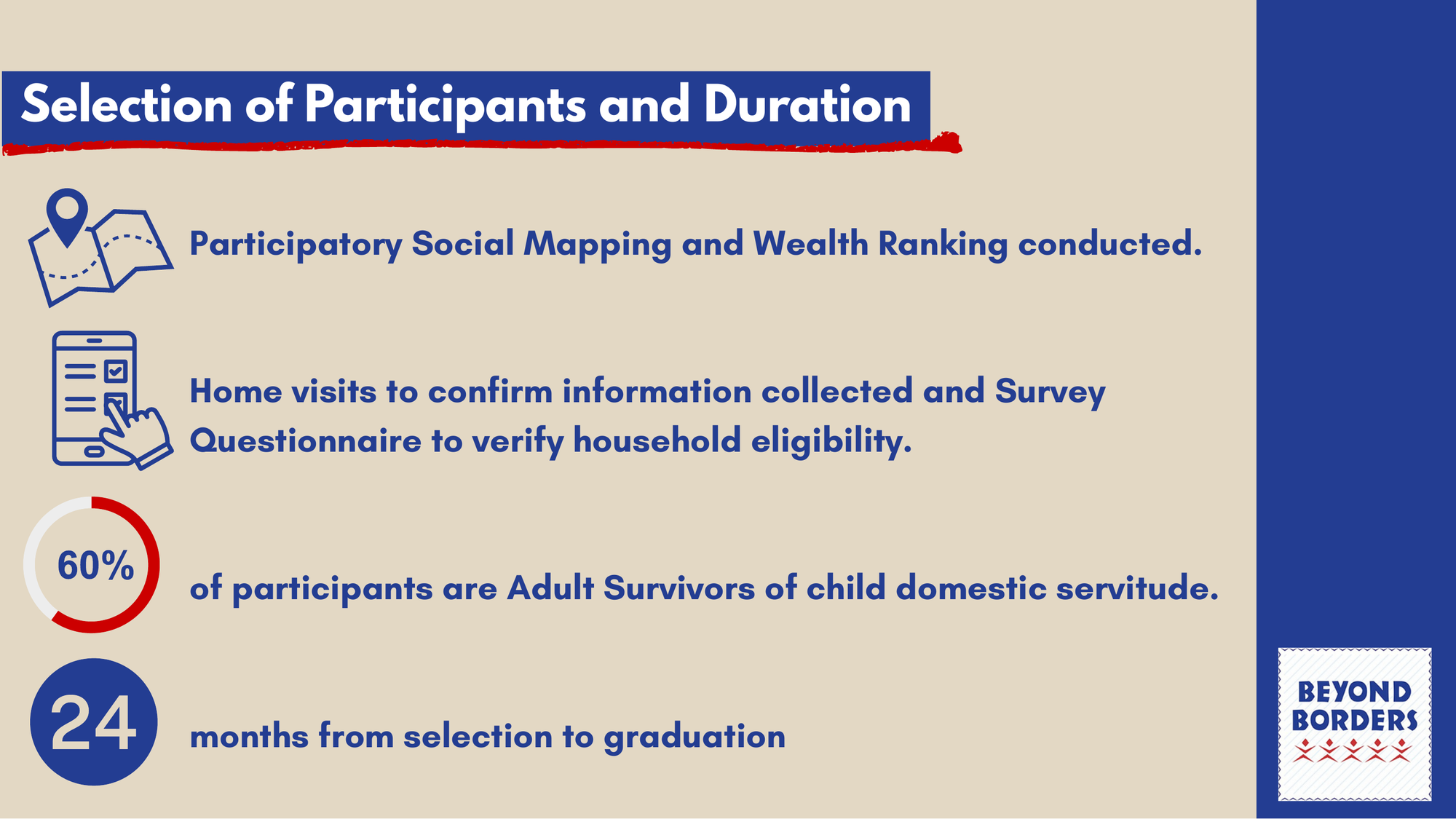
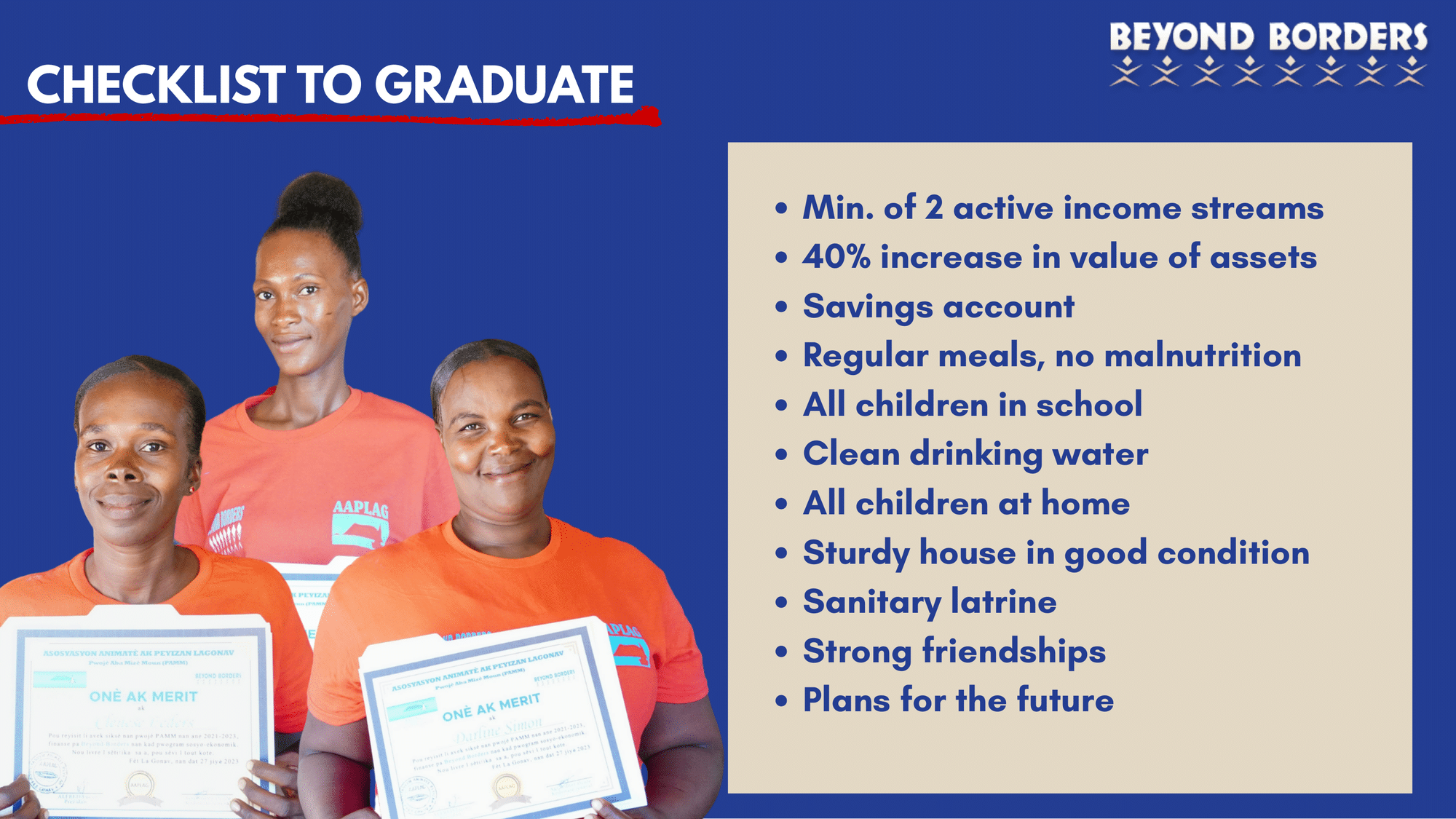
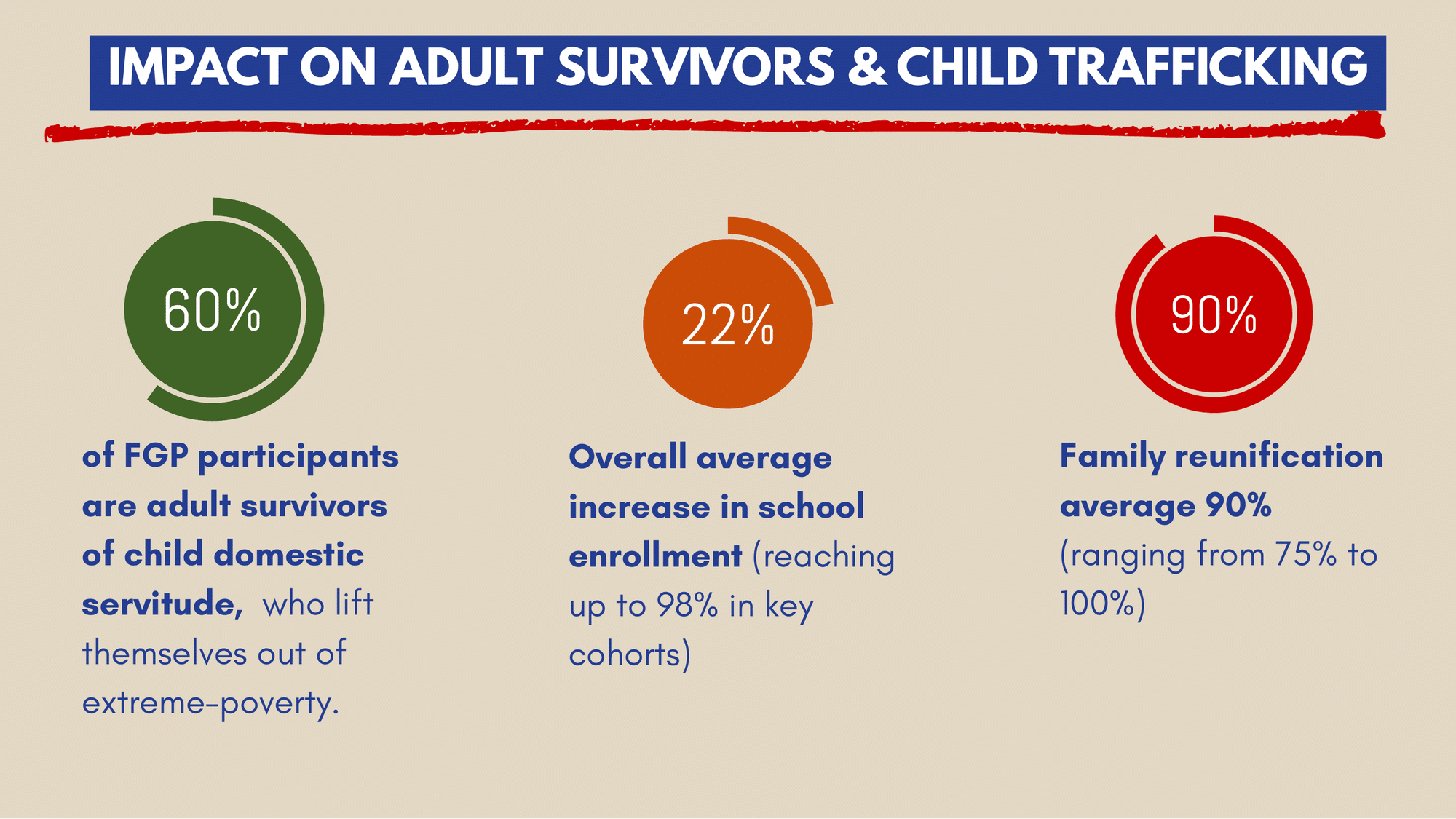
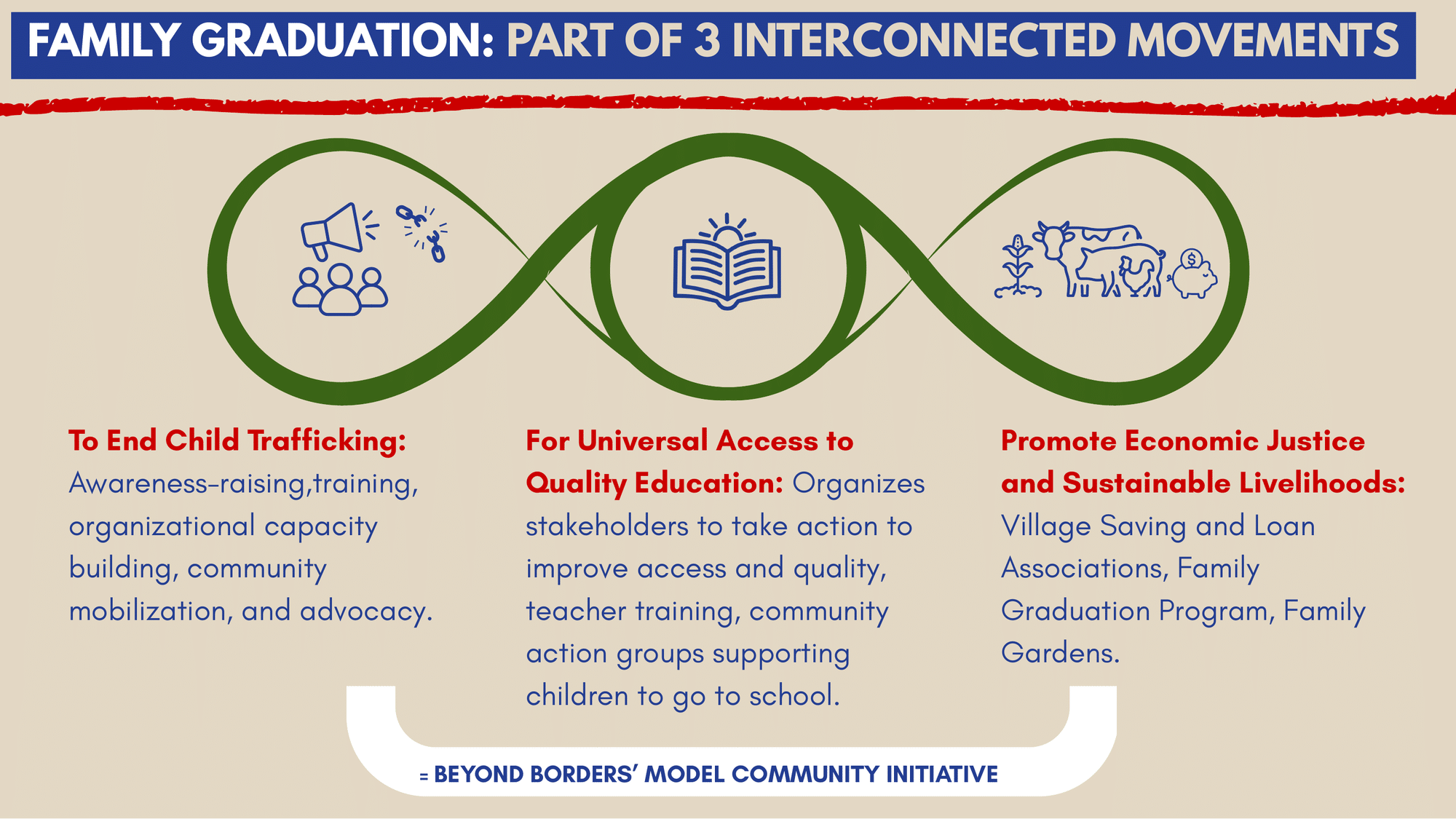
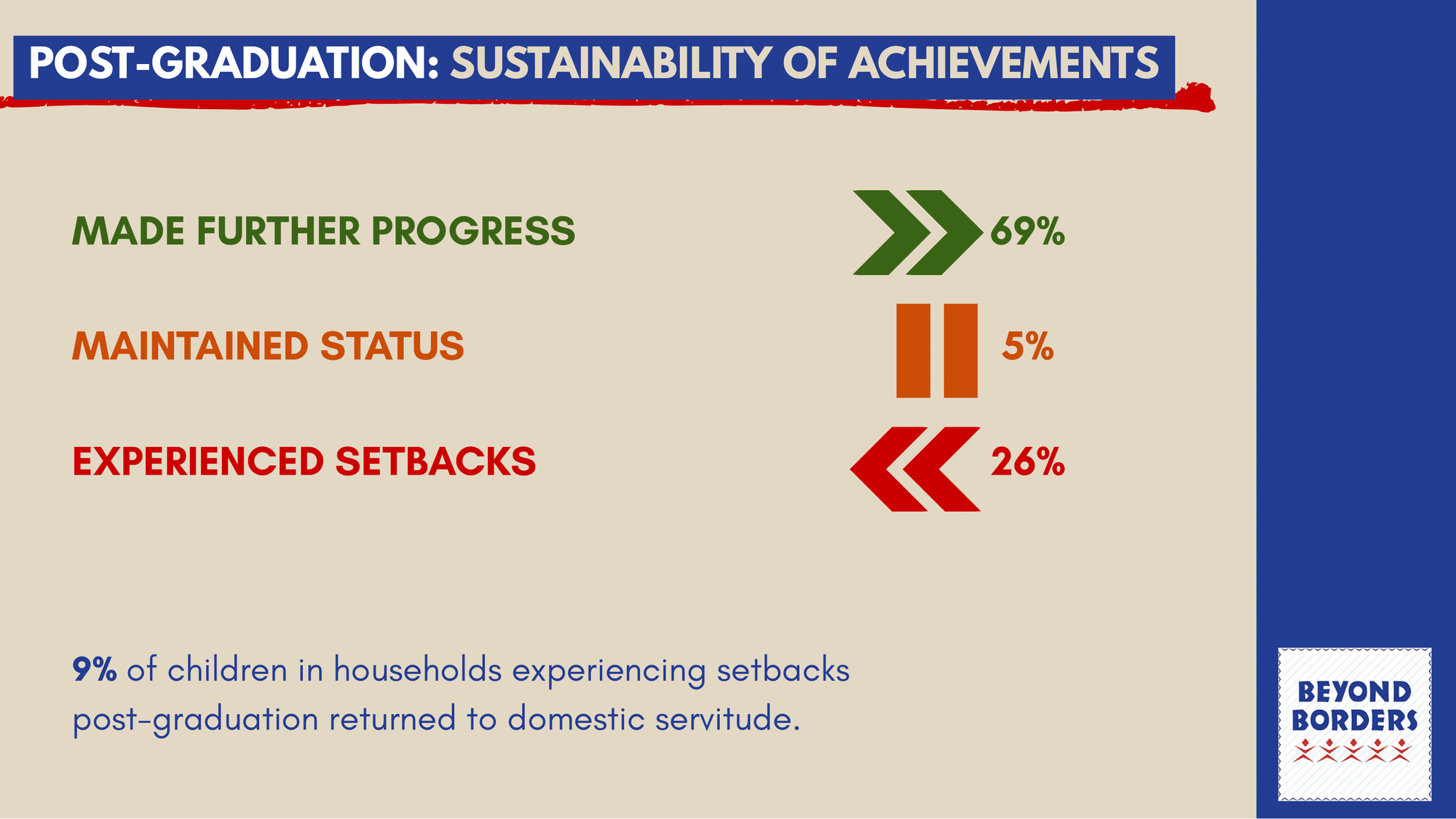
At the Mexico City summit, our discussions centered heavily on research and data-driven interventions. During my presentation on Beyond Borders' Family Graduation Program (FGP) in Haiti, I shared concrete evidence on how economic justice directly prevents child trafficking. I highlighted how our 24-month model—where 60% of participants are adult survivors of child domestic servitude—helps families lift themselves out of extreme poverty, increasing family reunification rates and boosting school enrollment.
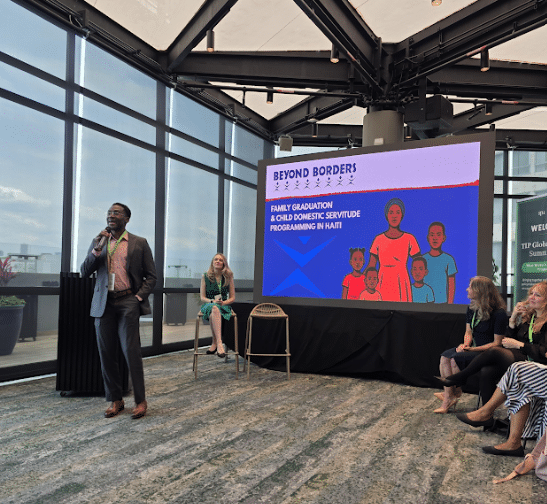
In sharing these outcomes, I emphasized a theme that is essential to our approach: the necessary shift away from relying solely on good intentions in the development sector. In social fields, we often take action with good intentions, but good intentions (and initial positive results) alone cannot change complex realities. We must test our hypotheses, see if they work, and if they don't, test new ones. While Beyond Borders already maintains a strong monitoring, evaluation, and accountability system internally, taking our work to the next level requires going deeper into formal research. To further strengthen Beyond Borders' evidence-based approach in Haiti, I focused on building strategic connections during the summit, initiating parthenership discussions with the research institute NORC at the University of Chicago, the Pan American Development Foundation (PADF), and the United Nations Office on Drugs and Crime (UNODC).
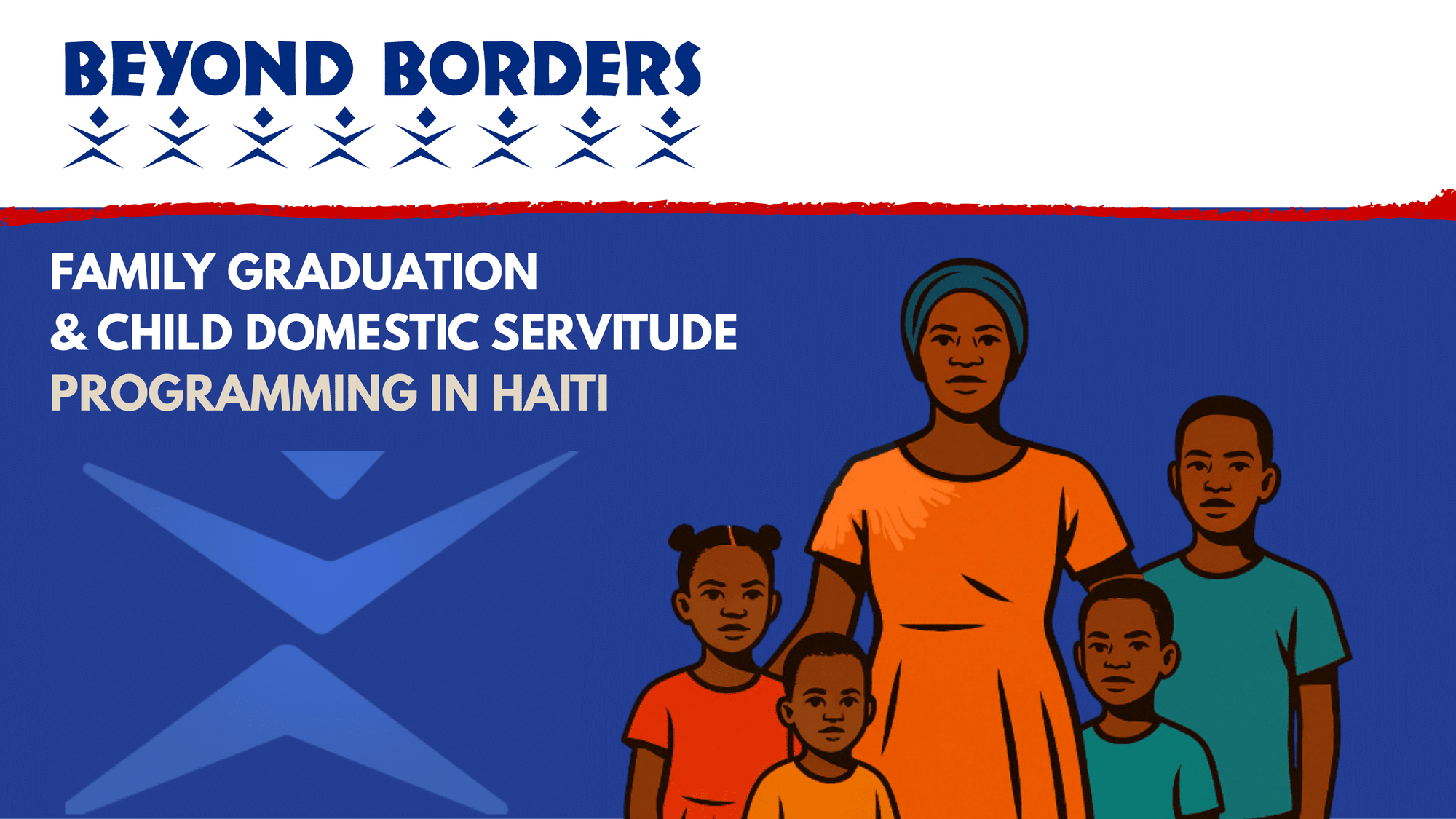
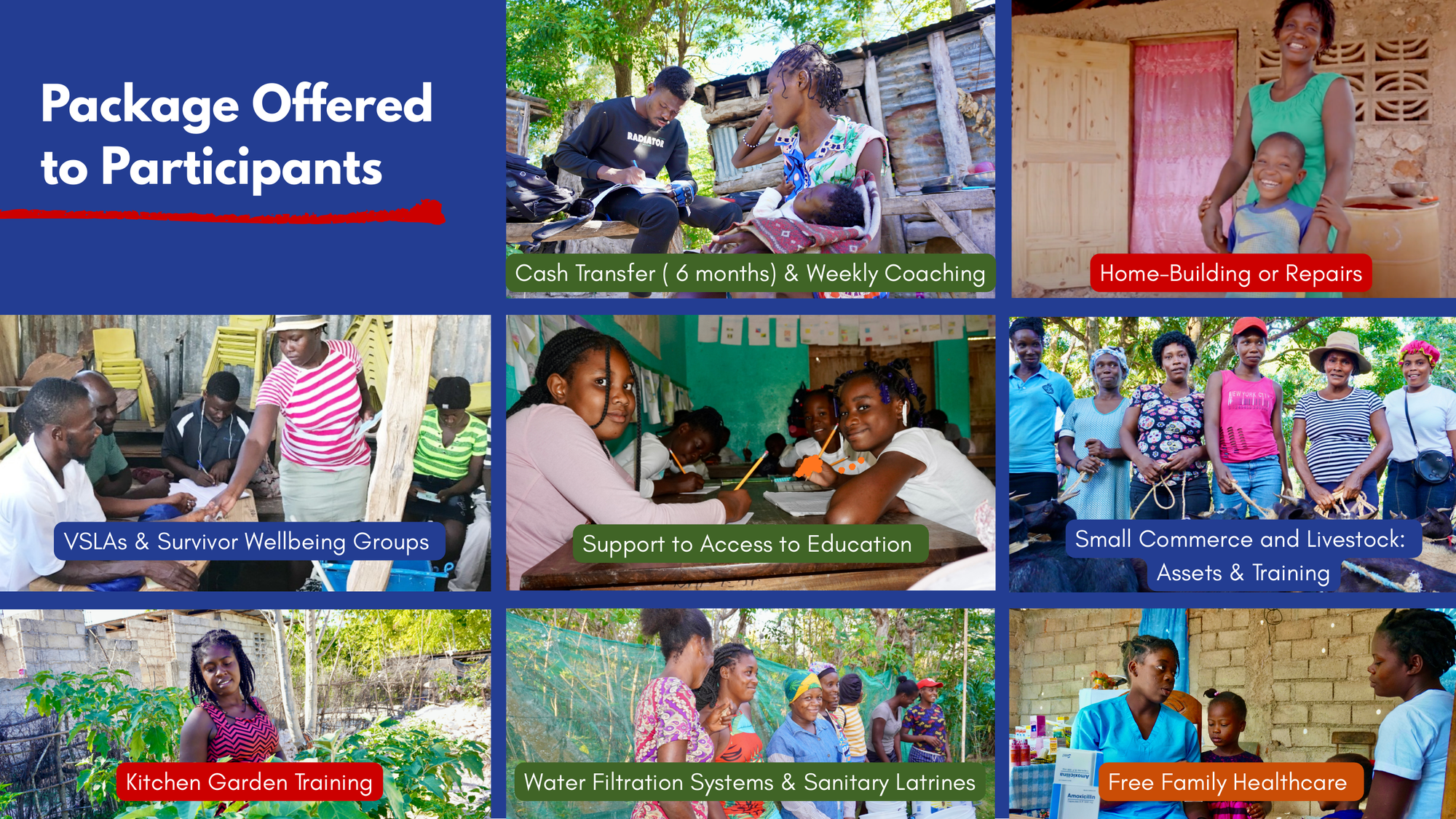
You can view the full slide deck from my presentation at the Mexico TIP Summit below
(scroll through the slides using the arrows)
Signing the Declaration of Principles in Nairobi
In Nairobi, the conversation expanded toward scaling up global progress and establishing unified operational frameworks. A centerpiece of the forum was the "Declaration of Principles for Aligned Action to End Modern Slavery," which I was proud to sign on behalf of Beyond Borders. The declaration rests on four key pillars: survivor leadership, narrative integrity, aligned and accountable solutions, and shared cross-sector responsibility.
(You can view the full text of the Declaration of Principles here.
The Nairobi forum also shone a light on the severe vulnerabilities of migrant workers. During our sessions, I highlighted a critical blind spot in our region: the lack of monitoring and protection for Haitians who migrate for work to countries like the Dominican Republic or Brazil and subsequently fall victim to human trafficking.
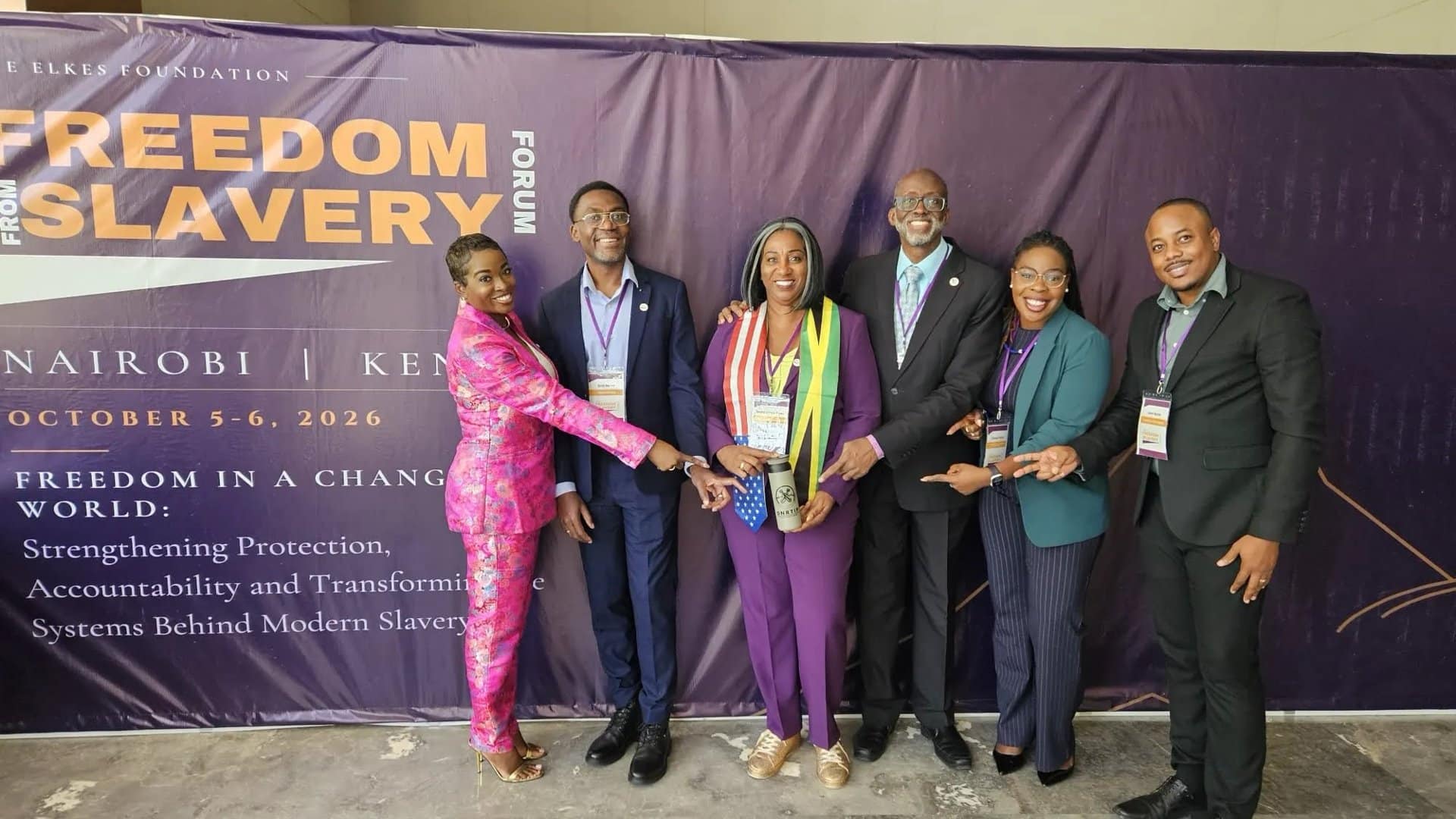
Leading the Charge on Survivor Empowerment
Both summits reinforced what we at Beyond Borders have long believed: survivor leadership is an absolute necessity. Haiti has made significant strides compared to much of the region because Beyond Borders took an early lead in organizing survivors of the restavèk practice—ensuring they are recognized as true experts and leaders of this movement.
At the same time, global challenges persist, particularly within the justice system. Victims frequently hesitate to come forward due to fear, a lack of trust in institutions, or broken legal systems that treat undocumented immigrants as criminals rather than prosecuting the traffickers who exploit them.
Looking Ahead
The insights and partnerships gained from Mexico City and Nairobi will directly inform our strategic priorities at Beyond Borders over the coming year. Moving forward, we will continue to deeply integrate research into our programming and leverage our unique expertise to strengthen the broader Caribbean anti-trafficking coalition, ensuring that survivors remain firmly at the forefront of the movement.
By Smith Maximé,
Co-Executive Director, Beyond Borders